Early Childhood Education and the Importance of Qualified Educators
September 02, 2026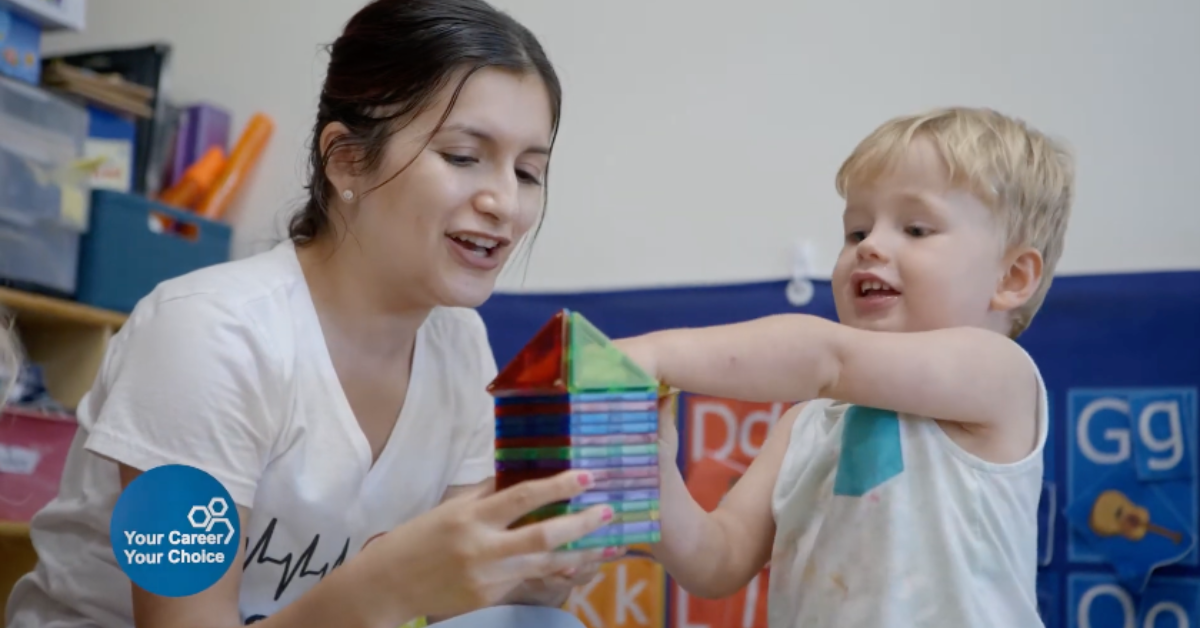
Children begin learning from the moment they are born. As they grow, the people teaching and caring for them play an important role in shaping how they understand the world.
With support from Workforce Solutions, you can take control of your job search from day one. From personalized assistance to easy-to-use online tools, Your Career, Your Choice, powered by Workforce Solutions, guides you through each step toward achieving your career goals.
For Dr. Bobby Henderson, a longtime early childhood education professor at Texas Southern University and member of the Gulf Coast Workforce Board, that work has been the focus of his career.
Henderson began his career as a social worker before returning to TSU to study child development and early childhood education. He later earned his doctorate from the University of Wisconsin before returning to TSU, where he has taught ever since.
He says early learning starts earlier than many people realize.
“Learning really begins in utero,” Henderson said. “You would be surprised at how much learning begins and becomes a reality even before the baby is born.”
Once children are born, their everyday surroundings become part of the learning process. Young children naturally explore by touching, seeing and feeling the world around them.
“That’s a teachable moment,” Henderson said. “The environment just makes that kind of learning possible.”
That is why qualified early childhood educators are so important. Teachers need to understand that children develop at different rates and bring different experiences and learning styles into the classroom.
“There is no child just alike,” Henderson said. “Everybody is not going to be on page 49 at the same time.”
Preparing those educators requires both classroom instruction and practical experience. At San Jacinto College, students studying early childhood development can gain hands-on experience at the college’s Children’s Center, a lab school where future child care professionals can develop their skills.
Faculty also emphasize communication and other professional skills that students will need when working with children and families.
Creativity is another important part of early learning, Henderson said. It can happen through simple, everyday interactions rather than elaborate activities. A car ride, for example, can become an opportunity to count cars, identify colors or sing songs together.
For those considering a career in early childhood education, Henderson says passion and compassion are essential.
“You want to have a passion for teaching. You want to have a caring attitude because what you feel when you walk into your classroom in the morning, the children feel also.”
The work comes with significant responsibility, but Henderson believes the rewards make it worthwhile.
For Workforce Solutions, supporting early childhood education also means supporting the professionals who make quality early learning possible. By helping connect people with education and career opportunities in the field, the region can continue building a strong pipeline of early childhood educators.
Accessing the right tools can make all the difference in your job search and career development. Watch Episode 8 to discover how Workforce Solutions can help you take the next step with confidence.
Explore in-demand careers and connect with top employers at upcoming Workforce Solutions hiring events. Register today to secure your spot and access career-building resources.


